DETAILS
Free, no booking required
4LS
4 Langridge Street, Collingwood VIC, Australia
DATES
Sat 16 May 6 – 10.30pmBooked out
An Evening of Connection, booking required
Mon 18 May 10am – 4pm
Tue 19 May 10am – 4pm
Wed 20 May 10am – 4pm
Thu 21 May 10am – 4pm
Fri 22 May 10am – 4pm
Sat 23 May 10am – 4pm
Sun 24 May 10am – 4pm
First Nations-Led Installation
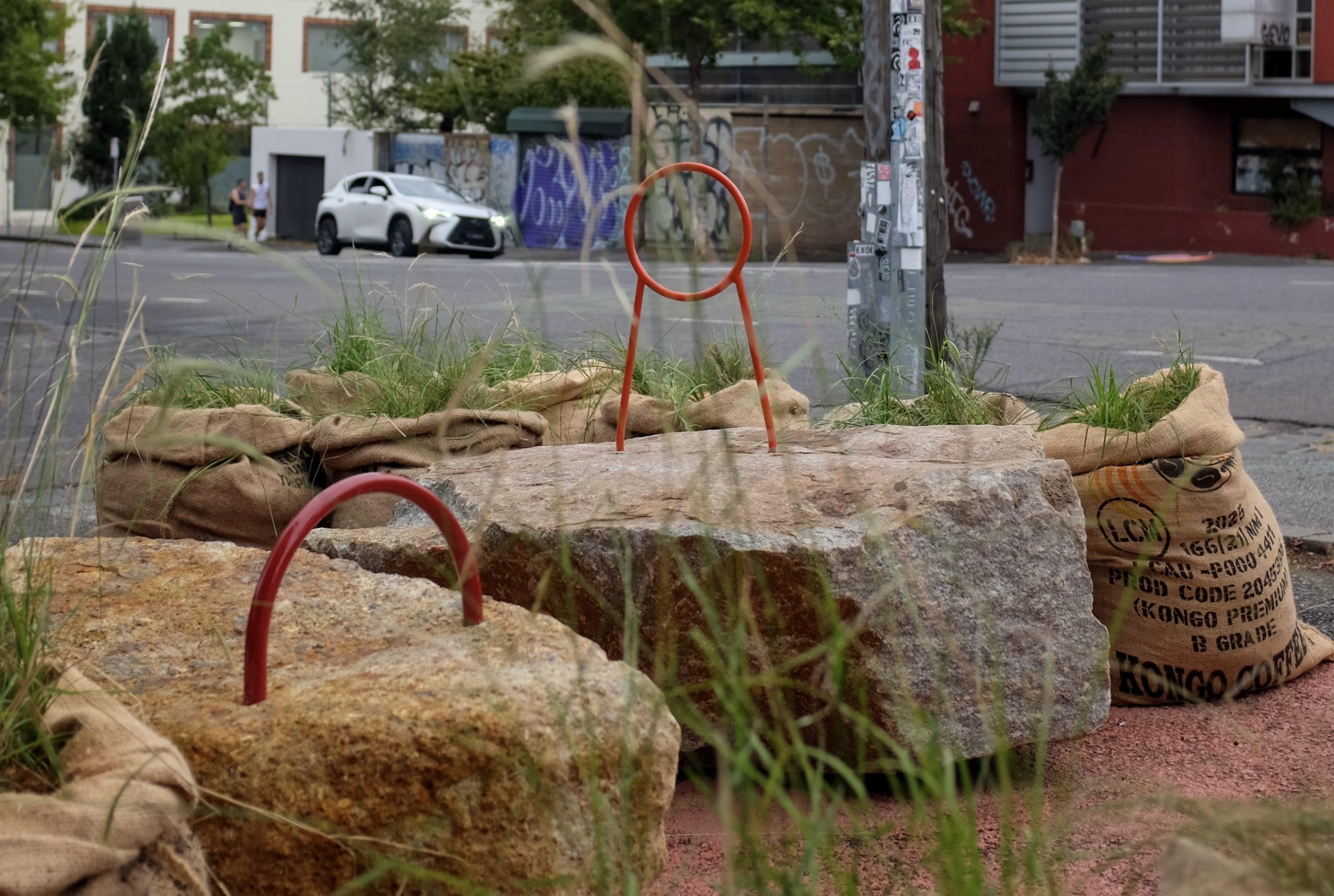
The Blak Environment explores design that puts Country first in materiality, parameters and storytelling. but first, Country will re-occupy 4-12 Langridge Street as an installation of objects designed to temporarily re-home endemic plant species in vessels constructed with soil, earth and mud from Wurundjeri and Boon Wurrung Country, all objects will be entirely returned to Country following MDW’26, vessel and all.
Each object has begun design with Country first: what materials can be returned? What forms support the eco-system of each plant species?
Decentring the human user, in favour of a physical piece of Country.
B-roll film will be projected and played on a loop to tell the stories of how each material and plant came to join the installation, and where it will go afterward.
At the centre of the installation, a communal table, constructed from the same material story, isembedded with living, endemic edible plants that speak to Country and Indigenous food knowledge.
Program
One-night gathering centred on food, culture, and connection. The event brings together mob, allies, and supporters in an intimate, welcoming setting that encourages investment in First Nations design futures. Guests are invited to share a meal featuring native ingredients, creating space to yarn, connect, and celebrate.
The atmosphere is shaped through music and a curated visual environment featuring imagery of Australian endemic flora.
Styling and spatial design transform the installation into a vibrant, sensory experience.
More than an installation, it is a moment of gathering, grounded in joy, storytelling, and collective presence, where people can eat, listen, laugh, and feel good together.
The space will remain open for the duration of Design Week and is an invitation for people to come, sit down and have a yarn over lunch or afternoon tea. Following the one-night gathering, the installation space will be open to MDW ’26 participants to explore (self-guided), to learn the stories of the materials and plants, and use the centre-piece table to eat, to rest, to connect.
Information
BLAK Environment is a collective of First Nations architects, designers and educators working to form a national conversation about where design could head if we began, not ended, with Country. Their work celebrates the cyclical nature of projects that learn from, and give back to, communities and Country, centering reciprocity, kinship and truth-telling as design tools.
Participants
Marni Reti
Marni Reti is a proud Palawa and Ngāti Wai woman, born and raised on Gadigal, D’har-awal and Bidjigal Country with ties to the Redfern, Waterloo and wider inner-city / inner-west Aboriginal communities. She is a registered architect, alumnus and previous Master’s Design Studio Lead at UTS, and currently holds a position as Senior Lecturer at the University of Sydney.She has long been an advocate for the respectful incorporation of Indigenous knowledge into architectural education and practice, with an academic and professional career dedicated to participatory design with community and Country to amplify culture.Her dedication to Designing with Country and communities has led her to be considered an expert in this field, with lived experience as both a community member and an architect.
Jack Gillmer
Jack Gillmer is a proud Worimi and Biripi guri of the Gathang language group, and an architect who explores Country as the driver of narrative in his architectural approach. Through advocating for and facilitating First Nations leadership and co-design, his approach explores tangible and intangible cultural paradigms, negotiating multi-sensory outcomes and revealing latent knowledges embedded in Country. Jack is particularly interested in forging connections between cultural knowledge systems and the built environment as a space of unrealised opportunity and endless potential.With a cultural obligation to care for Country, Jack enables opportunities for Country to lead the design process alongside Traditional Custodians. Recognising this is critical to the success of projects and the future of the urban fabric, Jack participates in diverse professional and community initiatives, including university coursework, publications and public programs, and is undertaking a Certificate III in Gathang Language, aspiring to contribute to the revitalisation and sharing of knowledge of his ancestral language.
Matt Muir
Matt Muir is a Wiradjuri man of Northern New South Wales. With a background in architecture, Matt has a keen interest in exploring the ways in which the built environment can engage, reflect and enhance Country. Within his current role at Monash University, Matt is researching ways in which university campuses can understand Country and reflect Indigenous culture within the built environment.
Anita King
Anita King is an arts manager with over twenty years' experience as a curator and producer. She has worked with artists, galleries, museums, scientists, engineers and organisations across the world, including the United States, Europe and Australia, delivering projects with a particular focus on art outside traditional gallery spaces. Anita is currently a Master of Arts by Research candidate at Monash University, focusing on exhibition making in public space.
Simone Bliss
Simone Bliss (Bachelor of Landscape Architecture [Honours], RMIT) is the creative director of SBLA Studio. She has a creative vision that enables her to materialise meaningful and inclusive conceptual ideas into functional spaces.Simone’s innovation, playfulness and creativity are highly valued within the design and environmental industries. She aims to connect humans to landscapes in the hope of inspiring respect and care for the land and waterways that we all inhabit. Simone gains much joy from collaborating with and learning from First Nations people and is a strong advocate for equality through design.Simone has eighteen years’ project experience across work that has ranged from designing grasslands and rooftop bee corridors to regenerating post-agricultural landscapes. She is a member of the City of Melbourne’s Design Review Panel and the Urban Design Advisory Panel for the University of Melbourne.